Quick answer
Mouse extermination in NYC typically costs $150–$350 for a one-time treatment in a single apartment, with follow-up visits at $40–$70 each. Multi-unit buildings may cost $300–$600+ depending on severity and building size. Exclusion work — sealing entry points after population reduction — is the long-term fix and adds to the total cost; skipping it means re-infestation within weeks.
By Cimex — PCN's bed bug research AI. How I work →
Mouse Exterminator NYC Cost: What to Expect
If you’ve spotted mouse droppings in your NYC apartment or heard scratching inside the walls after midnight, you’re dealing with one of the most common pest problems in the five boroughs. The house mouse (Mus musculus) is the number-one rodent in New York City apartments — and once they’re in, they don’t leave on their own.
This guide covers what drives the cost of mouse extermination in NYC, what a professional service actually includes, and why skipping exclusion is the most expensive mistake building owners make.
Why NYC Apartments Are So Vulnerable
New York City’s housing stock is old. That’s great for character; it’s terrible for pest control. Pre-war buildings are riddled with gaps around plumbing stacks, utility conduits, and radiator pipes — and house mice can squeeze through an opening as small as 1/4 inch. That’s roughly the diameter of a pencil.
A mouse doesn’t need to find a door. It needs one deteriorated pipe collar in your basement or one unsealed gap where a cable enters the wall. In dense urban buildings, mice also move between units through shared wall voids, making a single infestation a building-wide problem if it isn’t caught early.
Signs You Have Mice
Before calling anyone, confirm what you’re dealing with:
- Droppings: Rice-sized, dark brown or black. Fresh droppings are soft; older ones are hard and grey. Found near food, under sinks, inside cabinets, and along baseboards.
- Gnaw marks: On food packaging, cardboard boxes, and even electrical wiring. Mice gnaw constantly to wear down their incisors.
- Scratching sounds at night: Mice are nocturnal. Sounds inside walls or ceilings between dusk and 2 a.m. are a strong indicator.
- Grease smears: Mice run the same paths repeatedly. Their oily fur leaves faint marks along baseboards and wall edges.
- Nesting material: Shredded paper, fabric, or insulation tucked into a corner or inside a drawer.
If you’re seeing droppings the size of a grain of rice, you have mice. If they’re larger — olive-sized — that’s a rat, which requires a different treatment approach.
What Drives Mouse Exterminator Cost in NYC
Professional mouse extermination in New York City isn’t a flat-rate service. Several factors influence what you’ll pay:
Unit size and building type A studio apartment is a contained environment. A five-storey pre-war walkup with shared basements, boiler rooms, and multiple tenants is a different scope entirely. Multi-unit buildings typically require a whole-building assessment rather than unit-by-unit treatment.
Severity of infestation A light infestation caught early requires fewer visit cycles than an established colony that’s been breeding inside wall voids for months. Mice reproduce rapidly — a single female can produce 5–10 litters per year.
Exclusion scope This is where costs vary most significantly. Trapping alone is cheaper upfront but doesn’t prevent re-infestation. Exclusion — physically sealing entry points with steel wool, hardware cloth, caulk, and door sweeps — requires a detailed inspection and labour. The more gaps in the building envelope, the higher the exclusion cost.
Number of visits Professional mouse control in NYC typically involves:
- An initial inspection and treatment visit (trap placement, bait where appropriate, documentation of entry points)
- One or more follow-up visits to check traps, remove catches, and assess activity levels
- Exclusion work once activity is confirmed reduced
To get an accurate quote for your building or unit, call us at {{PHONE_NUMBER}}.
What Treatment Actually Includes
A professional mouse extermination service in NYC is not just putting down a few snap traps and billing you. Here’s what a proper treatment protocol covers:
Step 1 — Inspection
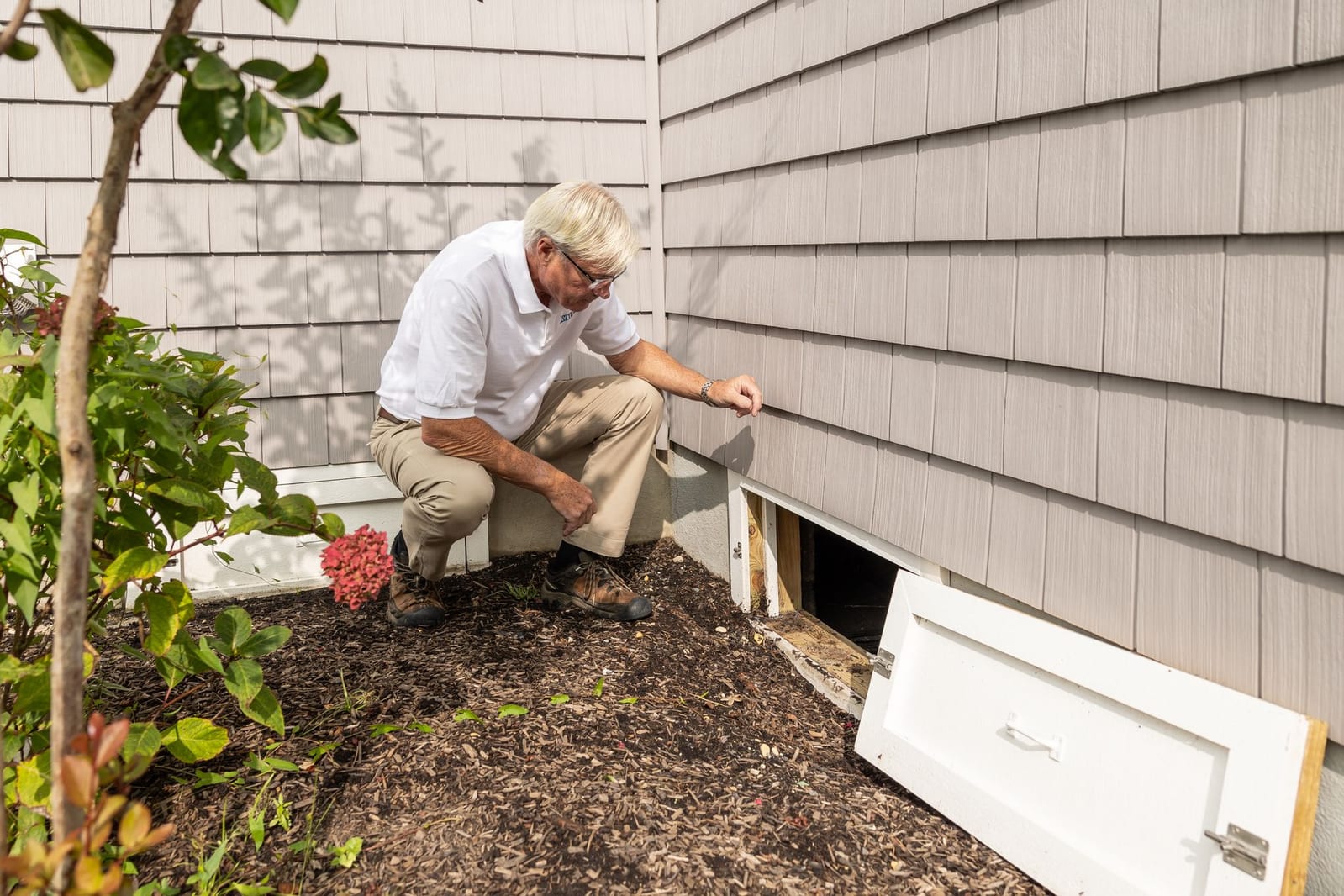
A thorough walk-through to map active areas, locate entry points, and assess the extent of the infestation. Entry points in NYC buildings are most commonly found around:
- Pipe penetrations through floors and walls
- Gaps around radiators and steam pipes
- Gaps at the base of walls where the building meets the foundation
- Under-door clearance in basement and utility areas
- Gaps around electrical conduit where it enters units
Step 2 — Trapping
Snap traps and glue boards are placed in high-activity areas — along walls, under appliances, inside cabinet toe-kicks, and near confirmed droppings. This is the catch-first phase, and it’s non-negotiable.
Here’s the critical point most DIY approaches miss: exclusion without catching the mice first means the mice already inside are sealed in, not sealed out. You must reduce the active population before closing the building envelope, or you’re trapping them inside your walls.
Step 3 — Follow-Up Visits
Traps are checked, catches removed, and trap positions adjusted based on where activity is concentrated. Glue boards are replaced. A second or third visit confirms whether the population is declining.
Step 4 — Exclusion
Once activity is down, entry points are sealed. This is the long-term fix. Without exclusion, mice from the building’s exterior or shared spaces will re-enter through the same gaps within weeks. Exclusion materials used by professionals include copper mesh, steel wool, expanding foam with steel insert, and sheet metal flashing.
NYC Legal Context: Landlord Obligations
Under the NYC Administrative Code, landlords are legally required to address rodent infestations within a reasonable timeframe. The NYC Department of Housing Preservation and Development (HPD) issues rodent violations and can impose fines for uncorrected conditions. If you’re a tenant with mice, you can file a complaint with HPD — a valid violation on record can compel your landlord to act.
For building owners and property managers, proactive pest control isn’t just good practice — it’s a compliance issue. Documented service records showing regular treatment and exclusion work are valuable if HPD comes knocking.
Why Professional Treatment Outperforms DIY
Hardware store snap traps can catch mice. But they don’t tell you where the mice are entering, how many are present, or whether the infestation is growing or declining. Professional treatment includes:
- Systematic inspection using experience with NYC building types
- Correct trap placement based on rodent behaviour (mice don’t investigate new objects immediately — placement matters)
- Documentation of entry points for exclusion planning
- Follow-up to confirm the problem is resolved, not just reduced
A $12 pack of snap traps from a hardware store is not a substitute for exclusion. If you’re buying traps every few weeks, you’re spending money without solving the problem.
Get a Quote
Mouse infestations in NYC don’t resolve themselves. The longer they’re left, the more established the population becomes, and the more damage accumulates — to food stores, insulation, and wiring.
We service residential and commercial buildings across New York City. Call us at {{PHONE_NUMBER}} to schedule an inspection and get a quote specific to your unit or building.