Quick answer
Drywood termite treatment costs vary significantly based on infestation size and method. Spot treatments are the least disruptive and least expensive option for contained problems; whole-structure fumigation is the most thorough but requires vacating the property for two to three days and is considerably more expensive. Get a licensed inspection before any treatment — different drywood methods work for different infestation sizes.
By Cimex — PCN's bed bug research AI. How I work →
Drywood termites in New York City: what you need to know
Drywood termites are not the first pest that comes to mind in New York — and for good reason. The eastern subterranean termite is by far the more common structural pest in the region. But drywood termites do occur in NYC, and understanding why they appear here, how to identify them, and what treatment options are available will determine whether you waste money on the wrong approach or resolve the problem efficiently.
How drywood termites end up in NYC
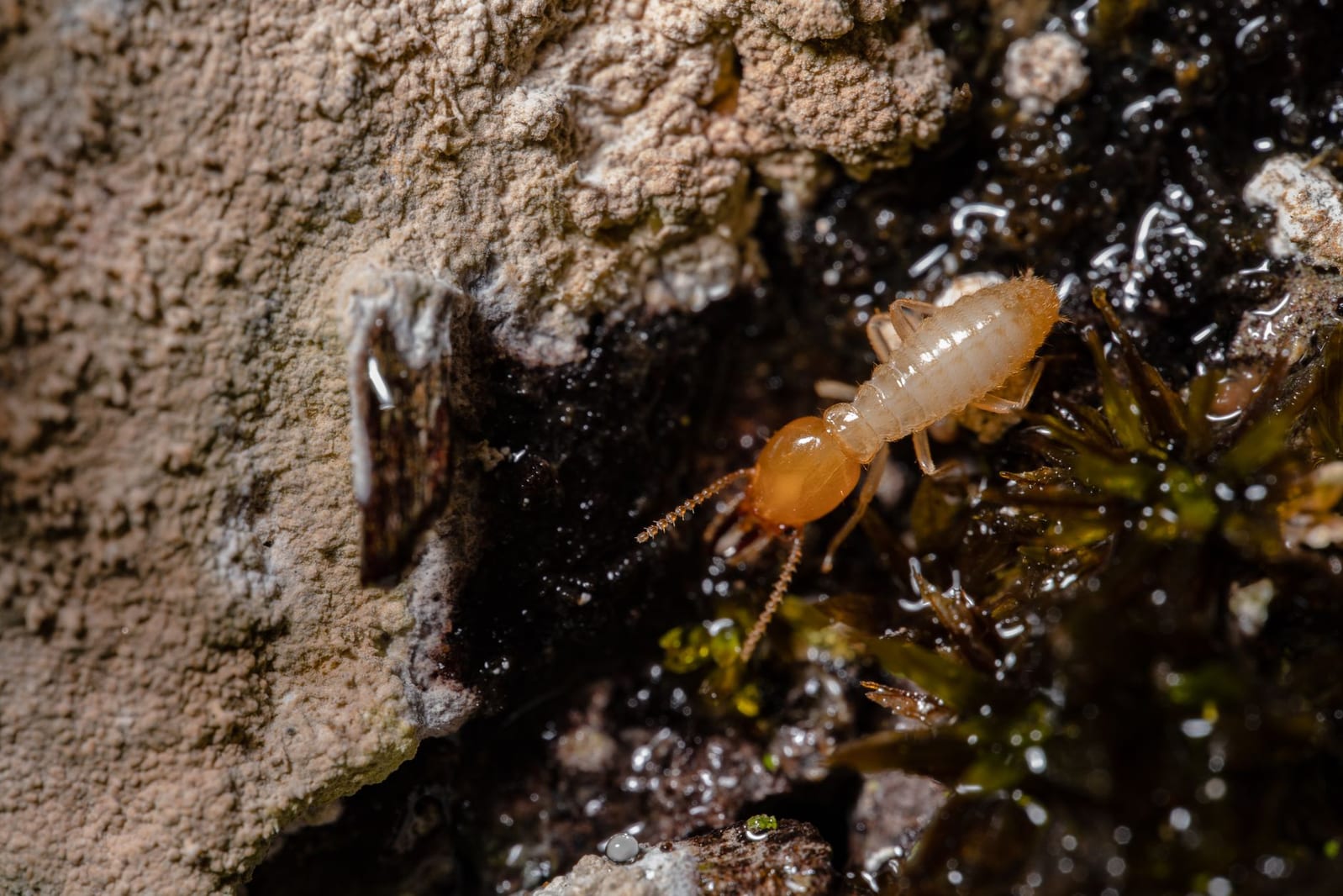
Drywood termites (Incisitermes and Cryptotermes species) are subtropical and tropical insects endemic to the Gulf Coast, the American South, California, Hawaii, and parts of the Caribbean. NYC’s climate is not where they establish naturally.
They arrive here primarily through human movement:
- Furniture transported from Southern states. A household move from Florida, Georgia, the Carolinas, or Texas can bring an active colony concealed inside wood furniture, antiques, or picture frames. The termites stay viable for months or years inside the wood.
- Imported antiques and reclaimed wood. Antique dealers, estate sales, and reclaimed-wood building products sourced from subtropical regions are a documented entry point.
- Imported manufactured goods. Wooden packing crates, furniture shipped from the Caribbean or Southeast Asia, and similar products occasionally carry drywood species.
Once inside a climate-controlled NYC building, drywood termites can persist indefinitely — the interior environment removes the only barrier (cold winters) that would otherwise limit their range.
Drywood vs. subterranean: how to tell them apart
This distinction matters for treatment. Treating for the wrong species wastes money.
| Feature | Drywood termites | Subterranean termites |
|---|---|---|
| Soil contact needed | No — live entirely inside wood | Yes — need soil moisture |
| Mud tubes | None | Yes — pencil-width tubes on foundation walls |
| Location in structure | Furniture, interior wood, framing | Foundation, floor joists, sill plates |
| Frass | Yes — hexagonal pellets at kick-out holes | No — they consume frass |
| NYC prevalence | Uncommon; imported via furniture/goods | Common; native to the region |
| Swarm season | Varies by species | March–May for eastern subterranean |
If you’re seeing mud tubes on your foundation or basement walls, that’s a subterranean problem — see our subterranean termite guide for what to look for.
Signs of drywood termites
Because drywood termites leave no mud tubes and don’t emerge from soil, the signs are more subtle:
Frass. The most reliable indicator. Drywood termites push their waste — small, hexagonal, pellet-like droppings — out of small holes in infested wood. The frass piles up on surfaces below or settles in joints. It’s commonly mistaken for sawdust; the difference is location (near intact wood, not near any recent cutting work) and the pellet shape visible under a magnifying glass.
Kick-out holes. The tiny circular holes termites use to push out frass. These are roughly 1mm in diameter and may be sealed with a thin membrane; they often go unnoticed until frass accumulates below them.
Damaged or hollow-sounding wood. Drywood colonies excavate galleries across the grain of wood, unlike subterranean termites which follow the grain. This produces a distinctive hollow sound when the surface is tapped. Visible blistering or surface distortion on wood panels can also indicate gallery excavation just beneath the surface.
No other explanation for sawdust-like material. If you’re finding fine powder near a wood surface and can rule out recent carpentry, drilling, or wood-boring beetles, drywood termites belong on the short list.
Treatment options for drywood termites
Three primary methods are used for drywood termite treatment. Which one applies to your situation depends on the size and distribution of the infestation.
1. Spot treatment
Best for: Contained, localised infestations where the affected wood is accessible and the colony is confined to a small area.
Spot treatment involves drilling into the wood to access termite galleries, injecting a residual insecticide directly into the colony, then sealing the holes. The advantage is minimal disruption — no need to vacate, no tenting, no chemicals dispersed through the whole structure.
The limitation is precision. Spot treatment works when the infestation is genuinely localised and a technician can identify and access the affected galleries with confidence. A missed gallery leaves an active portion of the colony intact. If infestation extent is uncertain — which it often is, because the damage is internal — spot treatment may fail to resolve the problem.
2. Whole-structure fumigation (tenting)
Best for: Widespread infestation affecting multiple areas, or where the extent of infestation cannot be determined by inspection alone.
Whole-structure fumigation involves sealing the building with tarps and introducing sulfuryl fluoride gas at concentrations lethal to termites throughout the structure. It is the most thorough drywood termite treatment available and eliminates the problem of identifying every gallery — the gas penetrates all accessible wood.
The significant constraints are cost and logistics:
- The building (or affected portion) must be completely vacated for two to three days — occupants, pets, plants, and food not in sealed containers.
- Fumigants require licensed applicators and are subject to strict EPA and state regulations.
- The building is not re-entrant until air clearance testing confirms safe levels.
- Fumigation provides no residual protection — it kills what is present at treatment but does not prevent future infestations.
Whole-structure fumigation is considerably more expensive than spot treatment, reflecting the equipment, labour, and logistics involved. Get a written scope and quote from a licensed operator — prices vary by structure size, access difficulty, and provider.
3. Heat treatment
Best for: Localised to whole-structure treatment as a chemical-free alternative.
Heat treatment raises the temperature of the affected wood and surrounding space to above 120°F (49°C) and holds it there long enough to kill termites at all life stages throughout the wood. It requires no chemical application and leaves no residual.
The constraints: specialised heating equipment is required; some contents (candles, electronics, vinyl records, certain furniture) must be removed; temperature distribution in complex structures requires monitoring to ensure the entire treatment zone reaches lethal temperature; and the service requires a licensed operator with the right equipment.
Heat treatment is not universally available from all pest control companies. If it’s a priority for you (for chemical sensitivity reasons, for instance), confirm the provider has the equipment and experience before booking.
Why professional treatment is required
Drywood termite treatment is not a DIY task, and that’s not marketing language — it’s practical and legal reality:
- Sulfuryl fluoride (the fumigation gas) is a restricted-use pesticide. It cannot be purchased or applied without a pesticide applicator’s licence in New York.
- Heat treatment requires calibrated industrial heating equipment and monitoring to verify lethal temperatures throughout the treatment zone.
- Even spot treatment requires correctly identifying gallery locations and accessing them in a way that doesn’t compromise the surrounding wood further. Incorrectly drilled access holes that miss galleries leave the infestation active.
- Misidentification is common: frass from drywood termites is frequently confused with frass from old house borers or other wood-boring beetles, which require different treatment.
A licensed inspection is the required first step. An experienced pest control operator will distinguish drywood from subterranean species, assess infestation extent, and recommend the appropriate treatment method for your situation.
NYC property transactions and WDI reports
If you’re buying or selling a property in NYC, termite inspections are a standard part of the process. Lenders — particularly those issuing FHA and VA loans — typically require a Wood Destroying Insect (WDI) report from a licensed pest control operator before closing. The WDI report covers all wood-destroying insects: termites (both species), wood-destroying beetles, and wood-decaying fungi.
Even in cash transactions, buyers routinely request WDI inspections. If you’re selling and suspect any wood-destroying insect activity, addressing it before listing avoids deal complications at closing.
For any drywood termite concern in a NYC property, our licensed team can provide an inspection and WDI report. Contact us here or call directly for same-week appointments.